Sign In
Password
Forgot password?
New to ShopGlobal? Sign Up
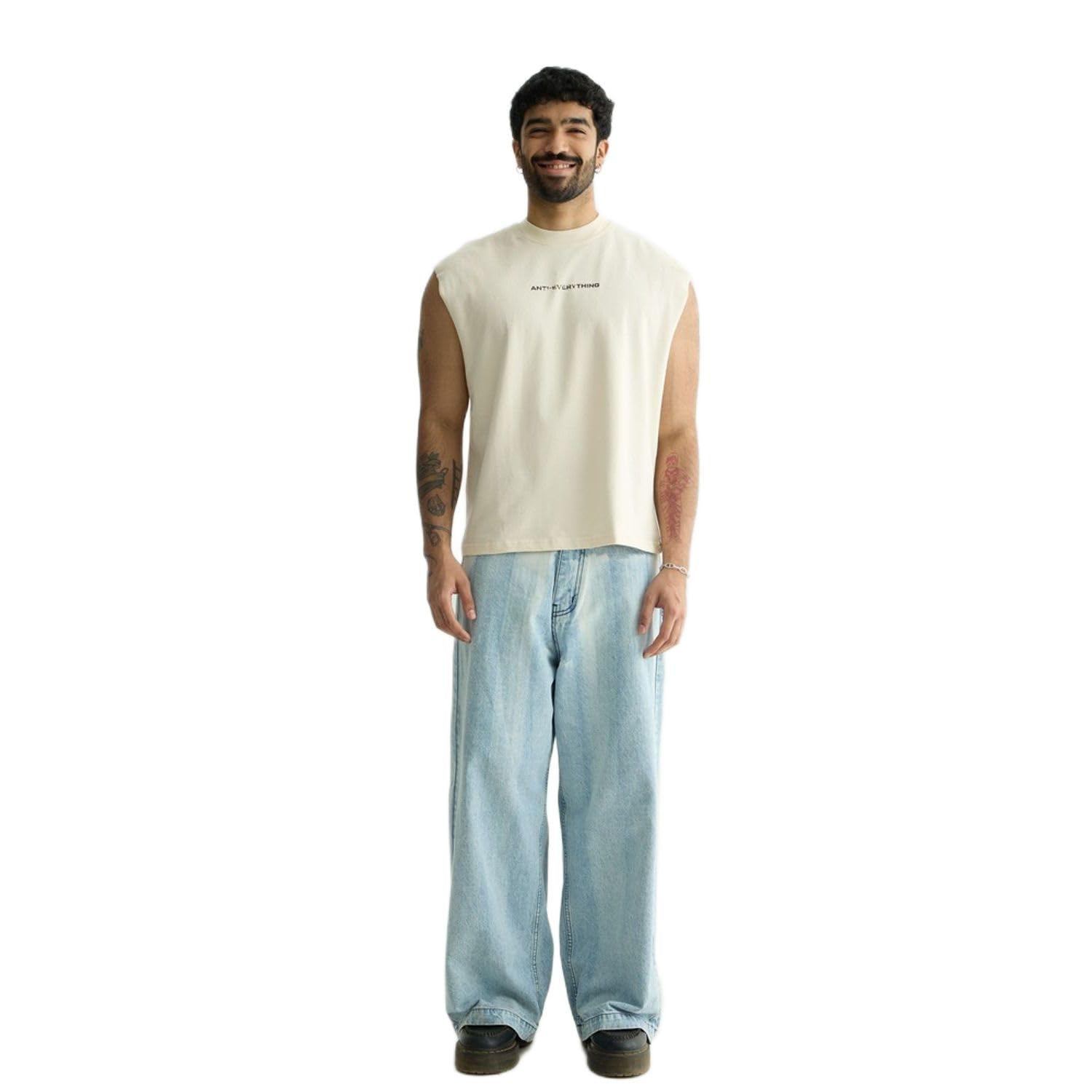
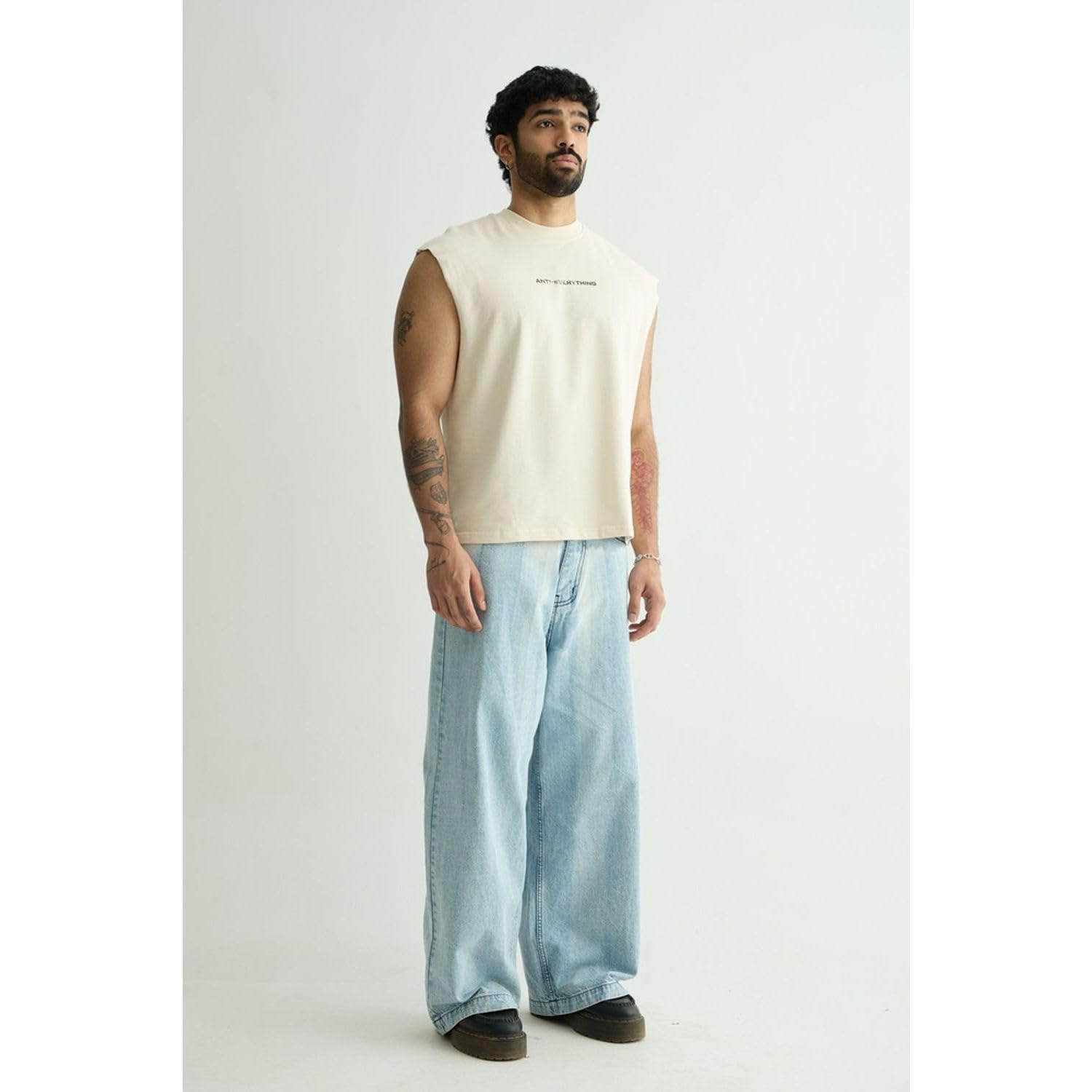
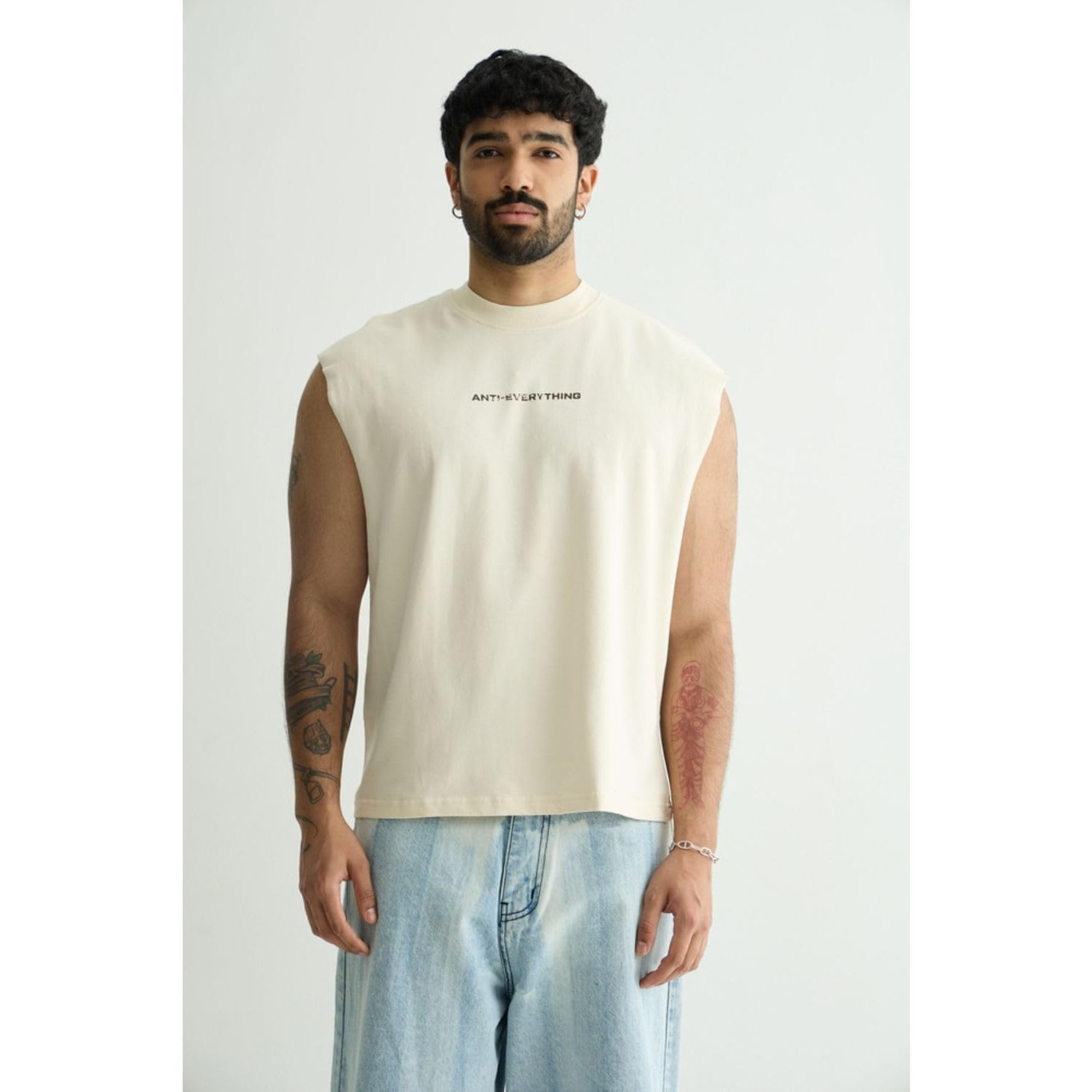
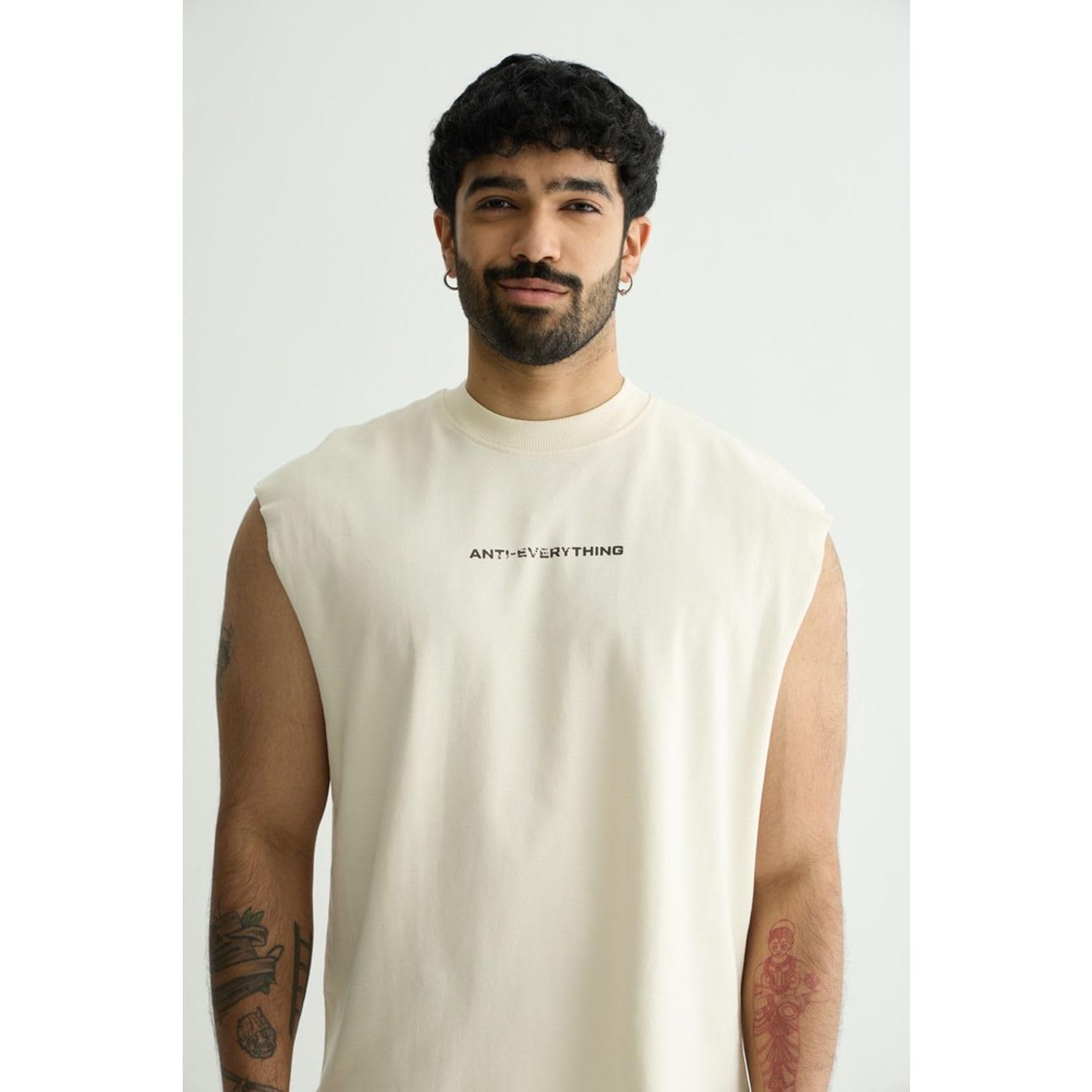
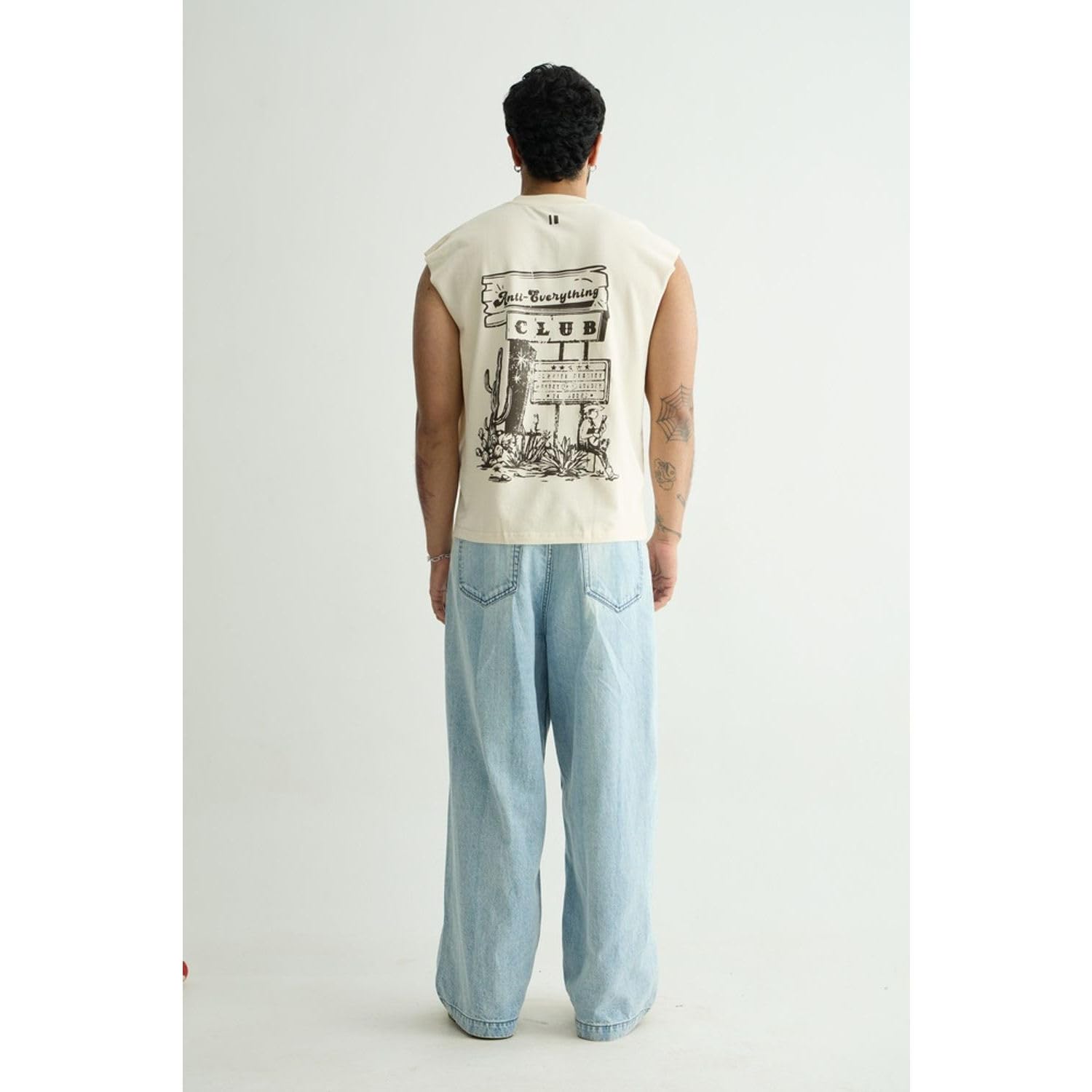
CHAPTER 2 Anti-Everything Vest Beige|M Size|Beige Color
Brand: CHAPTER 2
Product Overview
Chapter 2 explains how clothing is not just used to cover the body but also reflects social identity, culture, politics, and economic conditions. Clothes can show a person’s status, profession, gender roles, and even political beliefs. Throughout history, societies have used clothing to maintain social differences between groups.In earlier times, many societies had strict rules about who could wear certain types of clothing. For example, in some countries only members of the royal family or upper classes were allowed to wear expensive fabrics like silk, velvet, or clothes with special decorations. These rules were meant to clearly separate rich people from common people.During the nineteenth century, especially in Europe, clothing styles began to change because of industrialization and social movements. The growth of textile industries made fabrics cheaper and more widely available. As a result, more people could afford fashionable clothes, which slowly reduced visible differences between social classes.Clothing also became a way to express political ideas and national identity. In many colonized countries, people rejected foreign styles of dress and promoted traditional clothing to show resistance against colonial rule. Wearing local clothes became a symbol of pride, unity, and independence.Gender differences were also reflected in clothing. Men’s clothes were usually designed for practicality and work, while women’s clothing was often heavy and restrictive. Over time, women protested against uncomfortable fashions and demanded more practical clothing that allowed freedom of movement. This change reflected the growing movement for women’s rights and equality.Overall, the chapter shows that clothing is closely connected with social change. As societies develop, political movements grow, and economic systems change, people’s clothing styles also evolve.
Product Details